Tuesday, December 15, 2015

Questions for a Cosmetic Dentist Regarding Dental Implants

As a cosmetic dentist, we can replace your missing teeth with implants.  Here are questions we are asked about dental implants and our answers to them -

Can you restore my existing dental implant if the crown is damaged?

If you already have dental implants but have damaged the crown (tooth portion) of one of them, you may qualify to have your cosmetic dentist perform a dental restoration that leaves the implanted portion alone. This is the most convenient and affordable way to address the problem. Therefore, find out if a dentist offers restorative solutions before starting the procedure.

What are the requirements to qualify for a dental implants procedure?

We place dental implants in patients for a variety of reasons. If you have any other oral health problems, these will need to be addressed first.  Since this is a surgical procedure, it is important to start the process with healthy teeth and gums.  The other qualify factor is bone density.  We will take x-rays in office to determine if your bone is dense enough for the implant to be securely placed.  If it is not, we can discuss other options such as bone grafts.

How long does the process take?

That depends on how many implants you are having placed by your cosmetic dentist.  It can take up to an hour to place each metal implant.  This is why if you are having a lot of teeth replaced, you may need to visit us several times.  Once the titanium post has been implanted, you will need to wait a couple of months for the process of osseointegration to take place.  This is where the metal and bone fuse together to provide a sturdy, synthetic root system for your new tooth.  You will not feel anything while this is taking place but waiting is important to ensure that your final tooth is as durable as a natural one would be.  When ready, we will attach the new crown (tooth) to an abutment that is secured to your implant.  This appointment will be much shorter.

What is the recovery like?

As your cosmetic dentist, we recommend that you prepare for recovery by putting soft ice packs in the freezer, buying ibuprofen, and soft foods that you can eat.  For a few days, your gums will be sore so the ice and ibuprofen will help to reduce any swelling while eating soft foods will help to prevent discomfort.   After a few days, you should begin to feel better and start to eat regular foods though you should still avoid anything sharp.  Since there is a delay between when the metal implant is placed and when the new tooth is attached, we often provide our %city% patients with a temporary denture to wear so that their smile appears intact while waiting for the procedure to be completed.

From the perspective of a cosmetic dentist are the final results like a bridge or dentures?

Be sure to ask about the final results and what you can expect for your particular situation.  Scientifically, an implant is the most secure and durable tooth replacement solution that you can find because it derives strength from the jawbone.  By comparison, a bridge relies on your other teeth to hold the bridge in place and dentures are removable which means that they can come loose. Dental implants, being permanent also look much better which is why cosmetic dentists prefer this solution.

Tuesday, December 1, 2015

Learn How a Sleep Dentist Can Improve Your Health

A sleep dentist can help you feel less uneasy about going to the dentist. Millions of people feel so nervous about visiting the dentist, they avoid it altogether, which leads to larger bills in the future, poor dental health, and potentially a poor overall health. Fortunately, we can help calm your nerves so you can get through your dental appointment without a problem. A sleep dentist provides conscious sedation methods that allow you to be awake during your appointment without feeling fearful or unsettled.

Sleep Dentistry

A sleep dentist provides popular mild sedatives to help patients cope with dental anxiety. A sleep dentist doesn’t actually put patients completely to sleep but instead puts you into a relaxed, calm, and agreeable state. When under the influence of these mild sedatives, you will feel happy, and you also won’t feel discomfort. In addition to mild sedatives, a sleep dentist will offer local anesthetics to prevent the site of treatment from feeling discomfort. Being sedated during an appointment will help you feel less anxious, since you will be generally happier and most likely not notice the scary noises, like drilling, or the sharp tools that you normally do.

What Sedation Calms

A sedative provided by a licensed and experienced sleep dentist can help:
  • Keep you calm and relax your nerves
  • Allow you to feel more confident
  • Keep you comfortable for long periods in the dental chair
  • Help you avoid feeling restless if you have nervous energy
  • Control a sensitive gag reflex
  • Keep children from feeling scared, and allow them to sit still for a long time
The goal of these sedation methods is to minimize pain, fear, and discomfort during a dentist visit. During your sedation, you will be conscious enough to respond to voice commands, so you will be able to communicate with the dentist about your feelings and if you experience mild discomfort. You will still be in control of the situation; you will just be more confident about it.

Types of Sedation

A sleep dentist can provide you with a variety of options for your sedative means. The most commonly used methods are inhalation, oral, and intravenous (IV).

Inhalation: Inhalation sedation is the mildest form, and it is administered through a mask that is placed over the nose. It is often called laughing gas, but the technical term for it is nitrous oxide.

Oral: Oral sedatives are administered through a pill or syrup. Oral sedatives are used when kids or adults are too nervous to even show up at the dentist without feeling anxious. They are also used when patients are uncomfortable with the appearance of the mask used in inhalation sedation. These medications are prescribed to be taken the night before or right before your treatment or appointment.

IV: Intravenous sedation is used the least commonly for mild cases of dental phobia. This type of sedation is administered through your veins into your bloodstream.

If you are fearful about a dentist appointment, you no longer have to be. A sleep dentist can give you more confidence and contentment during your next dentist visit.

Monday, November 30, 2015

What You Should Know About Implant Dentistry

Implant Dentistry
As a provider of implant dentistry, we provide patients throughout the area with the ability to regain the appearance and functionality of their smile.  Losing teeth can be ridiculously challenging.  Most people never realize how important their teeth are to daily life until they lose one or several.  All of a sudden, smiling and speaking becomes embarrassing.  Speech sounds different than it used to, eating becomes a challenge, etc.  The entire ordeal can leave people stressed out and unsure of what to do.  If you are in this situation, we encourage you to call for a consultation so that we can examine you and present you with solutions to address your tooth loss.

Why we recommend implant dentistry
If you have lost one or several teeth, we recommend implant dentistry as the best way to replace them. The reason is simple – osseointegration.  This is the only option for tooth loss that is surgically placed in your mouth.  In this procedure, a titanium post is inserted under your gums and secured to the jawbone.  This is done surgically under anesthesia and it takes a week or so to fully recover from the procedure.  Over the course of several months, the jawbone and titanium post will fuse together through the process of osseointegration and this is what makes an implant so strong and so durable.  The jawbone essentially provides the same level of stability to the implant that it did to the natural tooth.  In turn, the implant provides stimulation to the jawbone which serves to prevent resorption.  As a result, a dental implant is the most natural way to replace teeth and it can improve your health while restoring your smile.

The process of implant dentistry
Before we can place the implants, we will need to examine you physically to ensure that you are in good oral health.  If you show any signs of gum disease or infections, we will have those corrected prior to getting started.  On the day of surgery, you will be given anesthesia and will most likely fall asleep.  How long the actual procedure takes will depend on how many implants are being placed in your mouth.  To stay comfortable afterwards, we recommend that you take ibuprofen, use an icepack and are careful with what and how you eat for several days.  Your gums will heal before you know it and once they do, you will just need to wait for osseointegration.  During this time, we will be preparing your new tooth or teeth (dental crowns).  This is done by taking measurements and an impression of your mouth.  The dental lab will create new teeth that look so natural, they blend in with any of your remaining ones.  The results are so perfect, so natural looking, that most people cannot tell the difference after they are placed.  We will have you come in for that appointment within a couple months of the initial procedure.  In the meantime, many people will wear a temporary denture to keep their smile intact.

To learn more about implant dentistry and to find out if you are a good candidate, call to schedule an appointment.  We are confident that this solution will impress you as it is the most natural looking and durable of all tooth replacement solutions.


  >  

Tuesday, November 3, 2015

What Is Gum Recession and Why You Should Treat It Quickly

Gum Recession
We can treat your gum recession and restore your gum health in the process. If you want healthy and beautiful-looking gums, it is important to take care of them. You can do so using ongoing, preventative care and having your teeth cleaned twice a year. This will help to prevent plaque from building up on your teeth, becoming trapped, and causing gum disease. However, if you go for too long in between teeth cleanings or do not practice good oral hygiene at home, you can fall victim to periodontal disease and gum recession.

What is gum recession?
When your gum tissue begins to pull away from your tooth structure, you have gum recession. It looks like your gums are shrinking or becoming smaller, and as a result, your teeth will look longer.

What causes gum recession?
Plaque and tartar building up under your gums will start to cause irritation. If the plaque is not removed, you can suffer from gum disease and your gums may begin to recede.

How is it treated?
We will start by removing any plaque and tartar from your teeth and on, under, and around your gums. This is the first step in making sure that anything irritating your gums is eliminated. If you have an infection of any kind, you may also need a treatment of antibiotics. Once this is done, we can begin to address the actual recession and start to secure your gums around your teeth.
We can restore the position of your gums using a gum grafting procedure. In this scenario, you are given anesthesia before the tissue is removed from the roof of your mouth and sutured to your gums. The procedure is effective but also invasive and does require a recovery time where you will want to be home and away from work. For this reason, many people do not have time to schedule this procedure to truly restore their gum health.

Fortunately, we have a non-invasive alternative. We use the Chao Pinhole Surgical Technique™ to restore gums to full health. This is a far more comfortable procedure for you, our patient. It is a scalpel- and suture-free procedure, which means we do not need to cut into your gums or your mouth and we do not need to suture or stitch your gums back together. Instead, we are using innovative methods to stimulate gum growth and position the gums back around the teeth. By creating small pinholes with a needle, we can get into the tissue to stimulate and position the gums without actually cutting them. Since the procedure itself is non-invasive, your gums will not swell or bleed like they would with a surgical gum grafting procedure. While there may be slight discomfort for a day or two, it will go away quickly and can easily be controlled using an ice pack and ibuprofen. We have found that our patients appreciate how convenient the procedure and the recovery process is by comparison.
To learn more about the treatments we offer for gum recession, call and schedule an appointment for a consultation.


  >  

Friday, October 30, 2015

Oral Surgery is Nothing to Fear With the Right Dentist

Oral SurgeryMany people avoid having severe problems treated because they are fearful of oral surgery. This is a dangerous game because these problems will only worsen and cause more discomfort and irreversible damage. Oral surgery has been described by many as a scary experience that cause discomfort and anxiety, but in our office, we make oral surgery a pleasant, simple experience. Do not let the poor work performed by some unqualified or hurried surgeons deter you from seeking out the help you need from our office. We can provide you with whatever oral surgery procedure you need while also making it an experience you are pleased with.
Which Conditions are Treated by Oral Surgery

There are many conditions we can treat with oral surgery, some of which are:

  • Impacted Teeth: Wisdom teeth or other teeth that have grown into a crowded area and are causing discomfort or poor function are referred to as impacted teeth. When the jawbone does not provide enough space for these teeth to grow in, they grow into improper alignment and may not even fully erupt through the gum line. When this occurs, it is called impaction, because the teeth become trapped between the gum tissue and bone. When this problem is not treated with the proper oral surgery, it can cause infection, bleeding, pain, misaligned teeth, and even tooth loss.
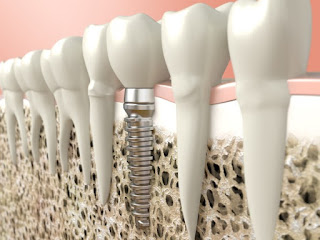
  • Tooth Replacement: Some tooth replacement options like dental implants require oral surgery. When you are receiving a dental implant, a prosthetic, titanium post will be surgically inserted into your jawbone to act as a strong tooth root for an artificial tooth.
  • Orthodontics: In severe cases of tooth or jaw misalignment, it may be suggested that you undergo oral surgery to have excess teeth that are growing in incorrectly removed. If these teeth are not removed, they could damage nearby teeth or inhibit jaw shape and function.
  • Facial Injury: If your face or dental structure is injured in a sports accident, car accident, or other collision, we can provide the needed oral surgery to fix these problems and improve the appearance of your face.

How We Make Oral Surgery a Pleasant Experience

Our staff is courteous, polite, and experienced so we know how to approach each unique procedure that is needed for each individual patient. We provide you with care you will trust, and with a comfortable office experience every time. For each procedure, we will administer the necessary anesthetics or sedation so you can avoid anxiety or dental phobia throughout your visits. We will work with you to determine what type of sedation is best for you or if it is even necessary. We guarantee you will not experience discomfort during your procedure because we offer adequate numbing during surgery and needed pain relievers following invasive procedures. If you are experiencing any slight discomfort or you are nervous, let us know, and we will help deter these feelings.

When you need oral surgery, do not hesitate to contact our office to learn more. You will not need to feel worried or scared because you will know you can trust our services as soon as you speak with our staff.

  >  

Thursday, October 1, 2015

Dental Implants vs. Dental Bridges

Dental ImplantsWe can provide you with dental implants or dental bridges to replace your missing teeth. While we provide preventative dental care to help reduce the risk of tooth loss, this is still an issue that many adults deal with on some level. If you have lost a tooth due to age, infection, or an accident, we recommend you take the time to consider all your options. As a cosmetic dentist, there are many ways to replace missing teeth, and it is important to select the option that is right for you. The best way to find out is to schedule a consultation. In the meantime, here is what you need to know:

Dental implants. The most secure and natural-looking solution for tooth loss is dental implants. Unlike a bridge that requires other natural teeth, implants are surgically placed beneath the gums and secured to the jawbone. As a result, no other teeth are required or impacted by the procedure. The new tooth is simultaneously more secure because of the process of osseointegration. This is where the titanium post and jawbone fuse together to create a new root system that will support your new tooth. This makes it possible to eat all your favorite foods and engage in normal activities without restriction. The only drawback to this when compared with a bridge is that since it is surgical, you can expect a longer recovery time. Simultaneously, osseointegration, while important, takes a few months to complete.

Dental bridges. If you want a solution that is more secure and durable than dentures, dental bridges is a good option. A bridge is used for partial tooth loss when there are natural teeth that are strong enough to support it. To complete the procedure, we make an impression of your mouth and take measurements so the dental lab can make your bridge. To secure it in place, a crown will be placed on the two teeth surrounding your missing one, and these crowns will serve as anchors to secure the bridge. As a result, you will have a semi-permanent tooth replacement that looks natural and functions like a natural tooth.

If you are interested in either dental implants or dental bridges, we are an ideal dentist office to visit. As a cosmetic dentist, we can provide you with both solutions and complete the procedure in a way that restores the form and function of your smile. Both of these solutions will look like natural teeth when we are done. This is not always the case with a dental bridge, so it is important to visit a cosmetic dentist who has the skill to create high-quality prosthetics. Both options will also allow you to eat your favorite foods, etc. The main difference is that implants not only replace your teeth, they improve the health of your jawbone by providing it with much-needed stimulation. To learn more, schedule an appointment.

  >  

Wednesday, September 2, 2015

The Benefits of Visiting a Sleep Dentist

Sleep Dentist
As a sleep dentist, we can make it possible for you to enjoy receiving dental care. It is entirely possible to have a pleasant dental experience. While this may seem farfetched, consider what you do not like about receiving dental care in the first place. Is it the noise that a drill makes, the pressure you feel, the smells, sights, or discomfort? Regardless of what your specific fear or anxiety is, this is what makes visiting the dentist a traumatic experience for many people. Fortunately, there are solutions by way of sedation or sleep dentistry.

Sedation vs. Sleep Dentistry
These two options are both effective but work differently. Sedation is often given in pill form and helps to calm your nerves and eliminate your anxiety. For shorter procedures, this is often the best solution, because you will be calm enough to get through the procedure while remaining completely relaxed. Sedation does not actually address any pain, but in many cases, the procedure is not painful. Sedation can also be given in combination with a local anesthesia to numb the area being worked on. While sedated, you will be relaxed and maybe sleep, but you will have full control over your body and be able to respond to commands without a problem.

Sleep dentistry works differently in that you actually go to sleep. As a sleep dentist, we are one of the few providers that offer this solution (most only offer pain medication). We can actually put you to sleep so you are not aware of what is happening, do not feel anything, and will have no memory of the actual procedure. If you are having significant cosmetic dentistry work completed, oral surgery, or periodontics treatments, you may want to consider this option. Going to sleep makes it possible for you to have a pleasant dental experience, regardless of how much anxiety you have at the thought of visiting the dentist. It also means that when you do wake up, you will have no lingering bad memories associated with the procedure itself. This can often promote a greater sense of well-being that is important for a fast recovery process.

As a sleep dentist, we do want to warn you that not everyone will qualify for sleep dentistry. You need to be in fairly good health, and we will want to examine you and discuss your health history prior to making an appointment for your procedure. This is important for ensuring there are no complications arising out of putting you under anesthesia. Also, since you are going to sleep, you will not be able to respond to commands or walk around on your own, so time will be needed to fully wake up and become alert again once the procedure has been completed. We typically recommend having someone on hand to drive you home, so you can rest before naturally feeling alert again.
When you visit our sleep dentist office, we can discuss all this with you in further detail so you can make an informed decision regarding how you want to proceed.


  >