Friday, October 30, 2015

Oral Surgery is Nothing to Fear With the Right Dentist

Oral SurgeryMany people avoid having severe problems treated because they are fearful of oral surgery. This is a dangerous game because these problems will only worsen and cause more discomfort and irreversible damage. Oral surgery has been described by many as a scary experience that cause discomfort and anxiety, but in our office, we make oral surgery a pleasant, simple experience. Do not let the poor work performed by some unqualified or hurried surgeons deter you from seeking out the help you need from our office. We can provide you with whatever oral surgery procedure you need while also making it an experience you are pleased with.

Which Conditions are Treated by Oral Surgery

There are many conditions we can treat with oral surgery, some of which are:

  • Impacted Teeth: Wisdom teeth or other teeth that have grown into a crowded area and are causing discomfort or poor function are referred to as impacted teeth. When the jawbone does not provide enough space for these teeth to grow in, they grow into improper alignment and may not even fully erupt through the gum line. When this occurs, it is called impaction, because the teeth become trapped between the gum tissue and bone. When this problem is not treated with the proper oral surgery, it can cause infection, bleeding, pain, misaligned teeth, and even tooth loss.
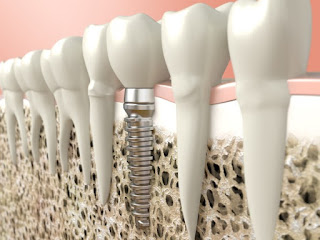
  • Tooth Replacement: Some tooth replacement options like dental implants require oral surgery. When you are receiving a dental implant, a prosthetic, titanium post will be surgically inserted into your jawbone to act as a strong tooth root for an artificial tooth.
  • Orthodontics: In severe cases of tooth or jaw misalignment, it may be suggested that you undergo oral surgery to have excess teeth that are growing in incorrectly removed. If these teeth are not removed, they could damage nearby teeth or inhibit jaw shape and function.
  • Facial Injury: If your face or dental structure is injured in a sports accident, car accident, or other collision, we can provide the needed oral surgery to fix these problems and improve the appearance of your face.

How We Make Oral Surgery a Pleasant Experience

Our staff is courteous, polite, and experienced so we know how to approach each unique procedure that is needed for each individual patient. We provide you with care you will trust, and with a comfortable office experience every time. For each procedure, we will administer the necessary anesthetics or sedation so you can avoid anxiety or dental phobia throughout your visits. We will work with you to determine what type of sedation is best for you or if it is even necessary. We guarantee you will not experience discomfort during your procedure because we offer adequate numbing during surgery and needed pain relievers following invasive procedures. If you are experiencing any slight discomfort or you are nervous, let us know, and we will help deter these feelings.

When you need oral surgery, do not hesitate to contact our office to learn more. You will not need to feel worried or scared because you will know you can trust our services as soon as you speak with our staff.

  >  

Thursday, October 1, 2015

Dental Implants vs. Dental Bridges

Dental ImplantsWe can provide you with dental implants or dental bridges to replace your missing teeth. While we provide preventative dental care to help reduce the risk of tooth loss, this is still an issue that many adults deal with on some level. If you have lost a tooth due to age, infection, or an accident, we recommend you take the time to consider all your options. As a cosmetic dentist, there are many ways to replace missing teeth, and it is important to select the option that is right for you. The best way to find out is to schedule a consultation. In the meantime, here is what you need to know:

Dental implants. The most secure and natural-looking solution for tooth loss is dental implants. Unlike a bridge that requires other natural teeth, implants are surgically placed beneath the gums and secured to the jawbone. As a result, no other teeth are required or impacted by the procedure. The new tooth is simultaneously more secure because of the process of osseointegration. This is where the titanium post and jawbone fuse together to create a new root system that will support your new tooth. This makes it possible to eat all your favorite foods and engage in normal activities without restriction. The only drawback to this when compared with a bridge is that since it is surgical, you can expect a longer recovery time. Simultaneously, osseointegration, while important, takes a few months to complete.

Dental bridges. If you want a solution that is more secure and durable than dentures, dental bridges is a good option. A bridge is used for partial tooth loss when there are natural teeth that are strong enough to support it. To complete the procedure, we make an impression of your mouth and take measurements so the dental lab can make your bridge. To secure it in place, a crown will be placed on the two teeth surrounding your missing one, and these crowns will serve as anchors to secure the bridge. As a result, you will have a semi-permanent tooth replacement that looks natural and functions like a natural tooth.

If you are interested in either dental implants or dental bridges, we are an ideal dentist office to visit. As a cosmetic dentist, we can provide you with both solutions and complete the procedure in a way that restores the form and function of your smile. Both of these solutions will look like natural teeth when we are done. This is not always the case with a dental bridge, so it is important to visit a cosmetic dentist who has the skill to create high-quality prosthetics. Both options will also allow you to eat your favorite foods, etc. The main difference is that implants not only replace your teeth, they improve the health of your jawbone by providing it with much-needed stimulation. To learn more, schedule an appointment.

  >  

Wednesday, September 2, 2015

The Benefits of Visiting a Sleep Dentist

Sleep Dentist
As a sleep dentist, we can make it possible for you to enjoy receiving dental care. It is entirely possible to have a pleasant dental experience. While this may seem farfetched, consider what you do not like about receiving dental care in the first place. Is it the noise that a drill makes, the pressure you feel, the smells, sights, or discomfort? Regardless of what your specific fear or anxiety is, this is what makes visiting the dentist a traumatic experience for many people. Fortunately, there are solutions by way of sedation or sleep dentistry.

Sedation vs. Sleep Dentistry
These two options are both effective but work differently. Sedation is often given in pill form and helps to calm your nerves and eliminate your anxiety. For shorter procedures, this is often the best solution, because you will be calm enough to get through the procedure while remaining completely relaxed. Sedation does not actually address any pain, but in many cases, the procedure is not painful. Sedation can also be given in combination with a local anesthesia to numb the area being worked on. While sedated, you will be relaxed and maybe sleep, but you will have full control over your body and be able to respond to commands without a problem.

Sleep dentistry works differently in that you actually go to sleep. As a sleep dentist, we are one of the few providers that offer this solution (most only offer pain medication). We can actually put you to sleep so you are not aware of what is happening, do not feel anything, and will have no memory of the actual procedure. If you are having significant cosmetic dentistry work completed, oral surgery, or periodontics treatments, you may want to consider this option. Going to sleep makes it possible for you to have a pleasant dental experience, regardless of how much anxiety you have at the thought of visiting the dentist. It also means that when you do wake up, you will have no lingering bad memories associated with the procedure itself. This can often promote a greater sense of well-being that is important for a fast recovery process.

As a sleep dentist, we do want to warn you that not everyone will qualify for sleep dentistry. You need to be in fairly good health, and we will want to examine you and discuss your health history prior to making an appointment for your procedure. This is important for ensuring there are no complications arising out of putting you under anesthesia. Also, since you are going to sleep, you will not be able to respond to commands or walk around on your own, so time will be needed to fully wake up and become alert again once the procedure has been completed. We typically recommend having someone on hand to drive you home, so you can rest before naturally feeling alert again.
When you visit our sleep dentist office, we can discuss all this with you in further detail so you can make an informed decision regarding how you want to proceed.


  >  

Visit a Cosmetic Dentist for Implant Dentistry to Replace Your Loose Dentures

Cosmetic DentistVisit our cosmetic dentist office to get rid of your old dentures by replacing them with implant dentistry. If you are tired of worrying about dentures coming loose or feeling restricted to eating only certain foods, now is the time for a change. As an implant dentist, we can give you back the freedom to live life and eat all the foods you love, without thinking about your teeth. Here is how:

Oral Surgery

Dental implants and implant dentistry are the only tooth replacement solution that is surgically placed. Traditional dentures are secured on the outside of your gums, either by surrounding them or using metal hooks and clasps. A dental bridge is also secured in place on the outside of your gums, using two other teeth as anchors. While both cosmetic dentist solutions are practical and effective, they do not replace your missing root structure – an implant does. To start the procedure, we surgically implant a titanium post under your gums and secure it to your jawbone. This is done in each space you are missing a tooth, though, in some cases, we can use a few implants to support dentures.

What makes the process of implant dentistry unique is that the body responds to titanium like it would naturally occurring matter. Instead of thinking you have a foreign object in your mouth, the body accepts titanium, which means your jawbone and the post will fuse together through the process of osseointegration. As a result, your jawbone will provide the same level of stability to an implant as it would to a naturally occurring root. This relationship is beneficial for your new tooth and what makes dental implants the best form of tooth replacement. It is also beneficial for your jawbone because it provides the jaw with the stimulation it needs to prevent resorption. Without stimulation, the body will leach calcium from your jaw for distribution to other areas. This is what gives people a sunken and aged appearance after tooth loss. In this way, replacing dentures with implants is good for the functionality and appearance of your smile, but also your facial structure as a whole.

The process of getting dental implants takes a couple of months because we must first implant the posts, but then we need to wait for osseointegration to take place. Once done, we will have you come back to our cosmetic dentist office so an abutment can be secured to your implant at the surface of the gums. Your new tooth (dental crown) will be secured to this piece for a durable tooth replacement. Since we are a cosmetic dentist office, we will ensure your new tooth looks like a natural one and blends in completely. This is done by making an impression of your mouth and taking measurements, so the dental lab has the information they need to create the crown.

The benefits of implant dentistry by a cosmetic dentist are high. Once they are in place, you do not need to take any additional steps to care for them. Simply brush and floss like normal and schedule regular dental visits. Otherwise, you can go about your daily activities with a secure set of teeth you never have to think about.

  >  

Monday, August 24, 2015

Conditions That Can Be Treated With Our Oral Surgery

Oral SurgeryMany dental conditions can easily be treated with oral surgery. Modern oral surgery is faster and safer than ever before. Now, you can undergo oral surgery without any lingering side effects and with a fast recovery time. If you need oral surgery for any reason, don't put it off. Oral surgery can benefit your teeth and your gums, providing you with a better overall oral health. Below are a few of the conditions we frequently treat with oral surgery. For a full list, visit our office.

Wisdom Teeth

Many people have the need for wisdom teeth removal. Wisdom teeth are a set of molars, called third molars, that are normally the last to develop and the most unnecessary. Normally, developing wisdom teeth only cause more problems for patients because most jaws are not large enough to contain them, and other teeth become harmed or crowded due to the new growth.

When wisdom teeth begin to emerge, more often than not, they cause alignment issues or fail to erupt through the gums correctly. When this happens, wisdom teeth can become trapped between the jawbone and gum tissue, causing irritation and swelling. If wisdom teeth are left in this position, an infection can occur and can lead to tooth loss and permanent gum or jaw damage. Wisdom teeth removal is one of the most common oral surgery procedures we and many other oral surgeons perform, with over five million people having wisdom teeth removed every year.

Dental Implants

Dental implants are another common reason for oral surgery. If you have missing teeth, dental implants are the most permanent and long-lasting replacement option you can receive. A dental implant is a fabricated tooth root structure surgically implanted into your jawbone. The material these implants are made up of is titanium, which can actually fuse with your jawbone to create a permanency similar to a natural tooth root, if not stronger. Once a dental implant becomes fully fused with your bone after oral surgery, a realistic, tooth-colored prosthetic tooth will be placed on the implant device to fill in the area where your tooth had been and to provide functionality for eating and speaking.

Periodontal Disease Treatment

There are several forms of oral surgery performed to treat periodontal disease. Periodontal disease, also known as severe gum disease, is infection and bacteria under your gum line. When periodontal disease is left untreated, it becomes worse and can kill off healthy gums and teeth. There are nonsurgical periodontal disease treatments that should be considered before oral surgery. If the need for oral surgery arises, we can perform soft tissue and bone grafts, flap surgery to reduce periodontal pockets, and even bone surgery to reshape damaged bone to reduce craters.

These are three of the most common oral surgery treatments we perform. In addition to these, we provide a wide array of surgical options to provide a better dental health. All of our surgeries include proper anesthetics to eliminate any form of discomfort and instructions to help you heal quickly and fully following your procedure.

  >  

Tuesday, August 4, 2015

Modern Tooth Replacement: Implant Dentistry

Implant DentistryImplant dentistry has taken the idea of tooth replacement to an entirely new level. We are so confident in what our dental implants can do for you, we have no trouble stating that implant dentistry is changing the entire conversation about tooth loss. You might be asking yourself who exactly has a conversation about tooth loss and implant dentistry. The truth is, not very many people consider the potential that they might need an implant or that they might lose a tooth before they are old. Of course, from an implant dentist perspective, old is relative. In a recent study, it was found that 69 percent of people over the age of 35 have lost at least one tooth and are in need of implant dentistry. Thirty-five is not old by any means, and certainly not old enough to live with tooth loss. Nobody should live with tooth loss in today's day and age. Tooth loss can be quite a devastating event in the lives of people who have to deal with it.

We rely on our teeth for a vast number of things, which is why implant dentistry is so critical to restoring lost teeth. We use our teeth to start the digestive process by chewing our foods. We also use our teeth to enunciate words, which are critical to our ability to communicate clearly and concisely. Believe it or not, your teeth play a very prominent role in your social skills as well, something most people do not realize until they are embarrassed to smile because of a lost tooth. Implant dentistry has taken an ancient art, completely modernized it, and has given you a reason to smile. When we say that implant dentistry is an ancient art, we mean it is more of a science that developed. Ancient Mayans would hammer pieces of bone or shell into patients' gums to replace lost teeth. Luckily, we have long since moved on from the hammer. Today's implants are made of space-age material and placed with revolutionary methods.

The primary material used in the manufacturing of dental implants is titanium, also used by NASA to manufacture spacecraft and other objects that have to withstand tough environments. This makes your implants extremely durable, since titanium is one of the hardest and strongest substances known to man. In addition to being strong, the way we place the implants plays a critical role in supporting the jaw bone. Often, when you lose a tooth, the jawbone loses a critical support structure in the root. The root provides stimulation to the jawbone, which in turn translates to the body as a reason to support the bone itself. When the stimulation stops, the body will stop supporting the jaw, and more often than not, this will result in bone density loss. The implants we place recreate the stimulation of the natural root, bringing back the support for the bone and ensuring its viability.

  >  

Thursday, July 30, 2015

Visit a Cosmetic Dentist If Your Dental Crown Is Loose or Broken

Cosmetic Dentist
As a cosmetic dentist, we treat patients who are struggling with a variety of oral health issues. Restorations can make it possible to save a tooth that has been infected or damaged, and dental crowns are one of the best restorative options available. Still, they are not immune from becoming damaged, nor is the tooth underneath. While a well-made crown can last 15 years or longer, there are times where a crown or the tooth underneath may become damaged, creating the need for another dental appointment.

If you run your tongue along your teeth and notice that your dental crown feels broken or chipped, you should seek immediate dental care, but remain calm. Typically, this is cause for an appointment, though not an emergency one unless you are also in severe discomfort. You can start by calling our office to schedule an appointment and then place a cold compress on your face for 15 minutes to reduce any swelling. You can also take ibuprofen to reduce any discomfort you may have. Until you can get to our office, be careful with what you eat and stick with foods that are soft and not too hot or too cold. Otherwise, you could create further irritation and damage.
As a cosmetic dentist, we also recommend that you feel how loose the dental crown is. If it feels like it may fall off, there is a risk that it could indeed do so and be swallowed. In this case, you should visit us right away. While scheduling your appointment, let us know how loose the crown is, and we will make recommendations regarding whether or not you should try to remove it on your own. Do not try this without our guidance.
When you visit our cosmetic dentist office, we will examine your damaged or loose crown and your teeth. We will need to determine whether the damage is to the crown, the tooth, or both. Next, we will create a treatment plan to address whatever issue there may be. In some cases, a damaged crown can be smoothed and repaired, while, in others, it must be removed entirely. In this situation, we will either recommend replacing the crown with a new one or replacing the tooth with a dental implant. This is particularly relevant if the tooth underneath is damaged and unable to be restored with a new crown. We are experts at this procedure, so if you do need a dental implant, we can give you a permanent replacement tooth that will function like a natural one, be beautiful, and blend in completely. There is no way to know for certain what the condition of your tooth or crown will be until you visit us for an examination, so delaying is not in your best interest.
While waiting for your cosmetic dentist appointment, be careful with all of your teeth, engage in low-impact activities, and eat soft foods until we can examine and correct the problem.


  >